Arabian Script: A Textured Typeface for Elegant Branding
There’s a certain magic in a font that feels both timeless and tactile. You know the one—it doesn’t just sit on the page; it whispers a story, adds a layer of warmth, and instantly elevates whatever it touches. For designers, entrepreneurs, and creators constantly searching for that perfect blend of sophistication and approachability, discovering a typeface like Arabian Script can feel like striking gold. This elegant script typeface, with its semi-bold weight and beautifully textured shape, offers more than just letters; it provides a distinct voice for projects that demand a personal, high-end touch.
The Visual Character: More Than Just a Script Font
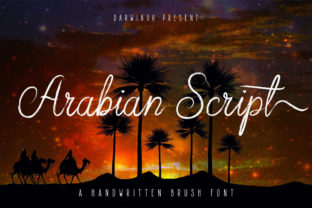
At first glance, Arabian Script captures attention with its fluid, connected letterforms. It’s a script font, yes, but it leans away from overly formal, calligraphic styles. Instead, it strikes a balance—elegant enough for a wedding invitation yet grounded enough for a product label. The semi-bold weight gives it presence, ensuring it stands out in headlines and logos without feeling heavy. The real star, however, is the textured shape. This subtle, organic quality mimics the imperfect beauty of hand-lettering or a slightly worn print, adding depth and authenticity that flat, digital fonts often lack. It’s this characteristic that makes it a versatile creative font, bridging the gap between a classic handwritten font and a more structured display font.
From Wedding Invitations to Brand Identities: Where to Use It
The true test of a premium font is its real-world application. Arabian Script’s personality makes it a natural fit for projects where emotion and elegance are key. Think beyond the obvious. While it’s perfect for adding a romantic flair to wedding invitations and save-the-dates, its utility extends far into commercial and creative realms.
- Branding & Logo Design: For businesses in the wedding industry, artisanal food, boutique hotels, or luxury personal services, this typeface can form the core of a brand identity. Used in a logo, it instantly communicates craftsmanship and care. Pair it with a clean, modern sans serif for body text to create a balanced and professional visual system.
- Packaging Design: Imagine this script on a craft coffee bag, a scented candle label, or a gourmet chocolate box. The textured appearance adds a tactile, artisanal feel that resonates with consumers looking for quality and authenticity. It tells a story before the product is even opened.
- Marketing & Social Media: In the fast-scroll world of social media, a beautiful script can stop the thumb. Use Arabian Script for impactful quotes, sale announcements, or Instagram story headers. Its elegance makes graphics feel more curated and valuable, boosting engagement and brand recognition.
- Digital & Print Products: For bloggers and content creators, this font shines in designing digital planners, e-book covers, or printable wall art. In editorial design, it can create stunning chapter titles or pull quotes that draw the reader’s eye. The semi-bold weight ensures it remains legible even at smaller sizes in these applications.
Pairing and Practicality: Making the Font Work for You
Using a decorative script effectively is all about balance. A common pitfall is overuse. The textured, semi-bold nature of Arabian Script means it’s best suited for headlines, titles, and short phrases rather than lengthy paragraphs. For body copy, always pair it with a highly readable serif or sans serif font. This contrast not only ensures your text is accessible but also allows the script’s personality to shine without overwhelming the viewer.
Before committing to a project, always test your font pairings. Create a mock-up of your logo, website header, or packaging layout. How does the script interact with your chosen body font? Does the texture of the script clash or complement other design elements? Consider the context. A wedding invitation might call for a classic serif pairing, while a modern café logo could work beautifully with a geometric sans serif.
Also, take a moment to review the full font package. Many premium fonts like this one include multiple styles—alternates, swashes, or ligatures. These extras are invaluable for customizing your designs and ensuring unique letter combinations, especially in logos or monograms. Understanding what’s included helps you leverage the full creative potential of your design assets.
Aligning Typography with Your Project’s Soul
Choosing a font is a strategic decision. It’s not merely about what looks “pretty,” but what communicates the right message. Ask yourself: What is the core emotion of my project? Is it luxurious, whimsical, rustic, or modern? Arabian Script, with its elegant and textured character, leans toward warmth, sophistication, and a handcrafted sensibility. If your brand or project aims for a clean, minimalist, or ultra-modern tech feel, this might not be the primary typeface, but it could be a compelling accent.
For small business owners and entrepreneurs, this font can be a cornerstone of your visual identity. Consistent use of a distinctive typeface across your website, business cards, social media, and packaging builds a cohesive brand experience. It becomes part of your brand’s signature, aiding in recognition and recall. When a customer sees that familiar, elegant script, they immediately associate it with your business’s quality and aesthetic.
Finally, a crucial but often overlooked aspect is licensing. If you’re using Arabian Script for commercial projects—whether it’s a client’s logo, products for sale, or monetized digital content—ensure you have the appropriate commercial license. Most premium font providers offer clear licensing tiers. Respecting font licensing protects you legally and supports the type designers who create these invaluable tools for the creative community.
In the end, a font like Arabian Script is more than a set of characters. It’s a tool for storytelling. Its textured, semi-bold elegance offers a tangible quality in a digital age, helping you craft designs that feel personal, professional, and deeply resonant. By understanding its strengths and applying it thoughtfully, you can transform ordinary projects into memorable visual experiences that truly connect with your audience.