Hayda Script: Your Go-To Font for Elegant, Modern Branding
Every brand has a voice, and before anyone reads a single word you’ve written, they see it. That first visual impression—whether on a product label, a social media post, or a wedding invitation—sets the tone for everything that follows. It’s the difference between feeling approachable and feeling corporate, between handcrafted and mass-produced. Finding a typeface that captures that specific, authentic feeling can be a game-changer for your project’s identity.
This is where a thoughtfully designed modern calligraphy font enters the picture. It’s not about mimicking old-world scripts with heavy flourishes and hard-to-read loops. Instead, it’s about capturing the warmth and personality of a hand-lettered style while maintaining the clarity and versatility needed for contemporary design. A font like this acts as a visual shorthand for creativity, elegance, and a personal touch.
Beyond Aesthetics: The Practical Power of a Cohesive Typeface
Choosing a core typeface for your brand or project is a foundational decision. It’s a workhorse asset that should serve you across multiple applications without losing its charm. A well-chosen script font does more than just look pretty; it becomes a key component of your visual consistency. When your logo, website headers, product packaging, and Instagram graphics all share the same typographic personality, you build a recognizable and trustworthy brand identity. This consistency signals professionalism and attention to detail to your audience.
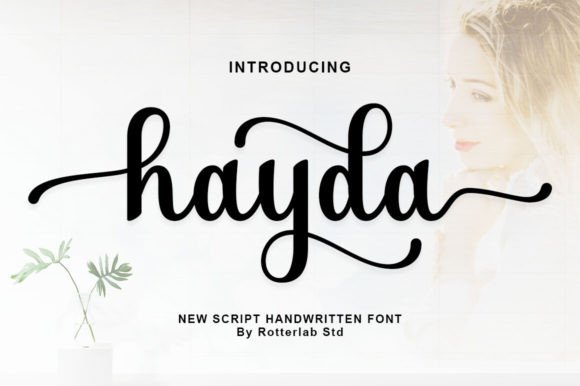
Consider the specific qualities of a font like Hayda Script. Its "cute" and "modern" descriptor points to a balanced design—it’s friendly and approachable without being childish. The flowing connections between letters (ligatures) give it a natural, handwritten feel, while its overall structure ensures it remains legible. This balance is crucial. A script font that’s too ornate can become a barrier to readability, especially in smaller sizes or on digital screens. A modern calligraphy style, however, is designed with these real-world constraints in mind.
Matching the Font to Your Creative Vision
The true test of a creative font is its adaptability. Let’s explore how a versatile script typeface can be applied across different projects, moving from digital spaces to physical products.
For Branding and Logo Design: A script font can inject personality into a logo, making it feel unique and memorable. It works exceptionally well for businesses in lifestyle, beauty, food, fashion, or artisanal crafts. Pair it with a clean, simple sans-serif font for body text to create a beautiful hierarchy that guides the viewer’s eye.
For Packaging and Product Design: On a shelf or in an online store, packaging is your silent salesperson. Using a handwritten font on labels, tags, or boxes instantly communicates a product that is made with care. Think of a coffee bag, a candle label, or a jam jar—the script adds a layer of authenticity and warmth that generic fonts can’t achieve.
For Social Media and Digital Content: In the fast-scrolling world of social media, visual appeal is everything. A striking script font can make quote graphics, promotional announcements, and story highlights stand out. It’s perfect for creating engaging headers in blog posts or adding a personal signature to digital products like planners or worksheets.
For Invitations and Print Materials: This is a natural habitat for calligraphy-inspired fonts. Wedding invitations, event programs, greeting cards, and thank-you notes benefit immensely from the elegant, celebratory feel of a script. It sets a formal yet personal tone that standard serif or sans-serif fonts often struggle to match.
Key Considerations Before You Commit
While the aesthetic appeal is strong, a practical designer or business owner should evaluate a font on a few more criteria before integrating it into their workflow.
Readability First: Always test the font at the size and in the context you plan to use it. A beautiful script might look stunning as a large headline but could become illegible as a 10-point caption. Ensure it passes the readability test for your primary applications.
Explore the Glyphs and Ligatures: A premium font often includes more than just the basic alphabet. Look for stylistic alternates, swashes, and ligatures. These extras allow you to customize the look, creating more authentic and varied letterforms that avoid repetition. The fact that a font is PUA encoded, like Hayda Script, means accessing these special characters is straightforward in any design software, which is a significant practical advantage.
Consider Font Pairings: Rarely will a script font work alone for all text. The most professional designs use a font pairing strategy. A modern calligraphy script pairs beautifully with a neutral, geometric sans-serif for body copy or a sturdy serif for a more traditional balance. Test different combinations to see what supports your message without creating visual clutter.
Understand the License: If you’re using the font for commercial projects—a client’s logo, a product you sell, marketing materials—ensure you have the correct license. Most reputable font foundries offer clear commercial licenses. This is a non-negotiable step to protect your work and your client’s investment.
Bringing It All Together
The search for the right typeface is a search for a visual voice. A modern calligraphy script offers a unique blend of human warmth and contemporary style. It’s a design asset that can elevate a project from looking generic to feeling genuinely crafted. By focusing on legibility, exploring its full character set, and pairing it thoughtfully, you can leverage a font like this to build stronger visual connections with your audience, whether you’re designing a brand identity, crafting a social media campaign, or creating a heartfelt invitation. The goal is to find a tool that not only looks good but works hard for your specific creative needs.